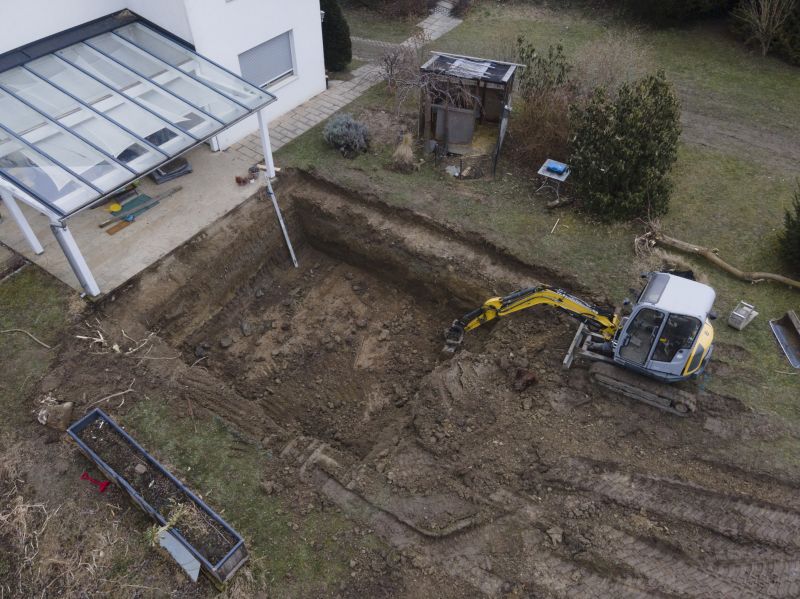
Pool Excavation in Houston, TX
Pool excavation services involve the removal of soil and debris to prepare a site for installing a new swimming pool. This process typically includes digging the foundation, shaping the pool’s contours, and ensuring proper grading for drainage. Property owners often request this service for various types of projects, such as in-ground pools, spa installations, or custom-shaped pools that require precise excavation to meet design specifications.
Before requesting pool excavation, homeowners usually want to understand the scope of the work, including the size and depth of the excavation, the type of soil on the property, and any potential challenges related to existing structures or underground utilities. It’s also helpful to consider access points for equipment and to clarify any local regulations or permits that might be necessary for excavation projects in the area. Proper planning ensures the excavation process aligns with the overall pool installation goals.
Many property owners in Houston, TX look into Pool Excavation for repairs, replacements, upgrades, and appearance-related improvements.
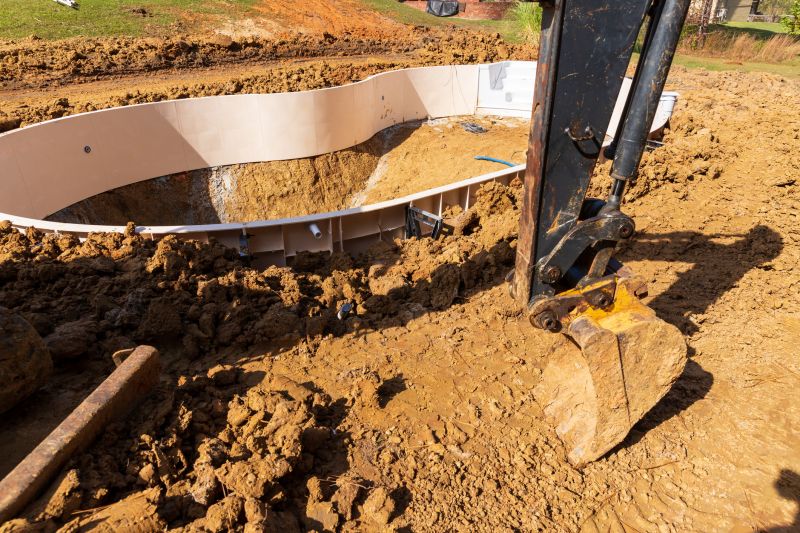
Pool Excavation Process
Proper excavation ensures a stable foundation for new pools and backyard renovations.
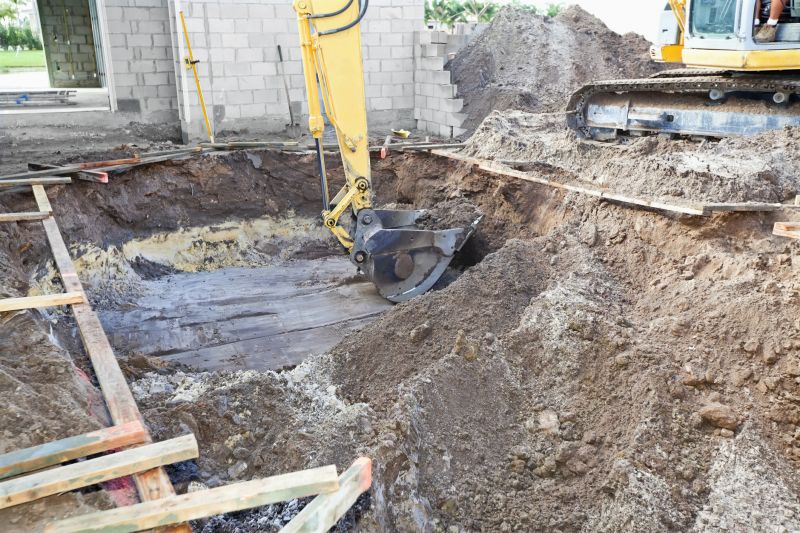
Preparation For Pool Installation
Excavation prepares the site by removing soil and creating a level base for construction.
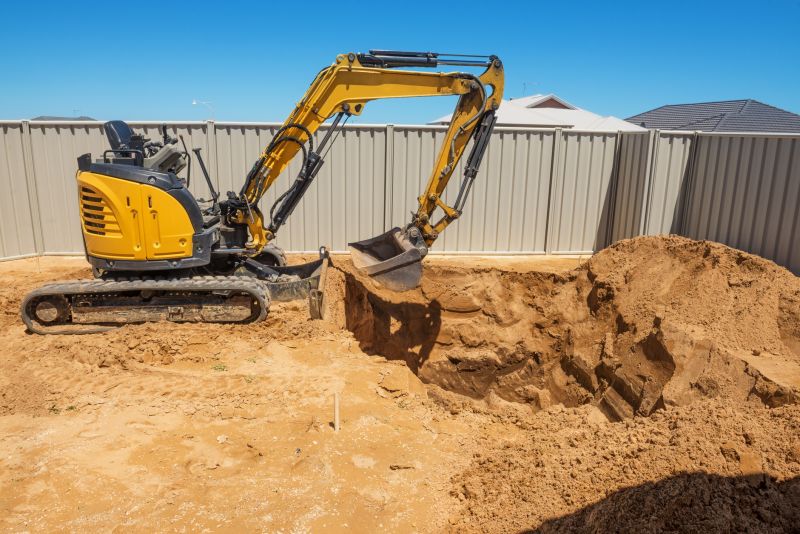
Property Clearing And Site Assessment
Assessing the land helps identify any challenges before beginning the excavation for backyard pools in houston.
Pool Excavation in Houston, TX
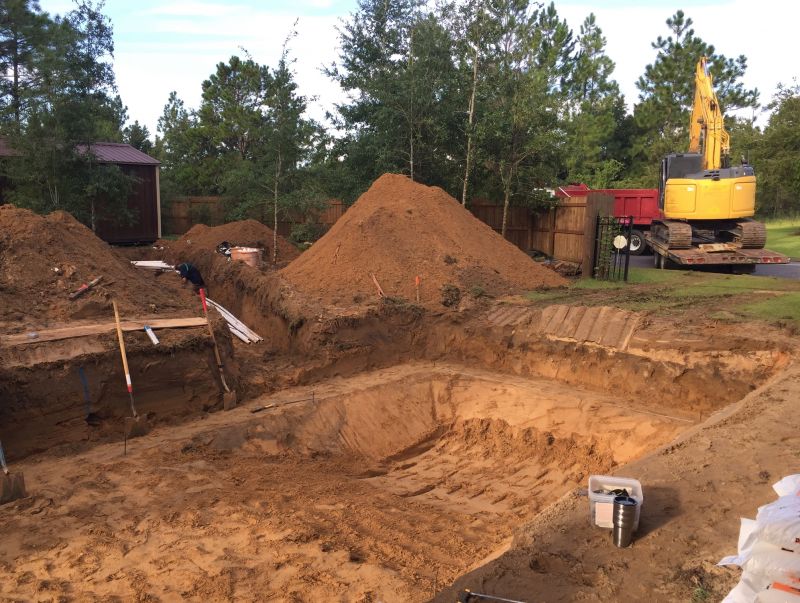
Pool excavation services involve the removal of soil and debris to prepare a site for installing a new swimming pool. This process typically includes digging the foundation, shaping the pool’s contours, and ensuring proper grading for drainage. Property owners often request this service for various types of projects, such as in-ground pools, spa installations, or custom-shaped pools that require precise excavation to meet design specifications.
Before requesting pool excavation, homeowners usually want to understand the scope of the work, including the size and depth of the excavation, the type of soil on the property, and any potential challenges related to existing structures or underground utilities. It’s also helpful to consider access points for equipment and to clarify any local regulations or permits that might be necessary for excavation projects in the area. Proper planning ensures the excavation process aligns with the overall pool installation goals.
Many property owners in Houston, TX look into Pool Excavation for repairs, replacements, upgrades, and appearance-related improvements.
Common Pool Excavation Jobs
Residential pool excavation - prepares the site by removing soil to create a level foundation for a new pool.
In-ground pool removal - involves excavating and removing an existing pool structure for property renovation.
Pool upgrade excavation - expands or modifies an existing pool by excavating additional space or reshaping the area.
Spa and hot tub excavation - creates a custom space for installing or replacing spas and hot tubs.
Utility trench excavation - digs trenches for plumbing, electrical, or drainage systems related to pool installation.
Land clearing for pool projects - removes trees, shrubs, and debris to prepare the yard for excavation work.
Pool Excavation Questions
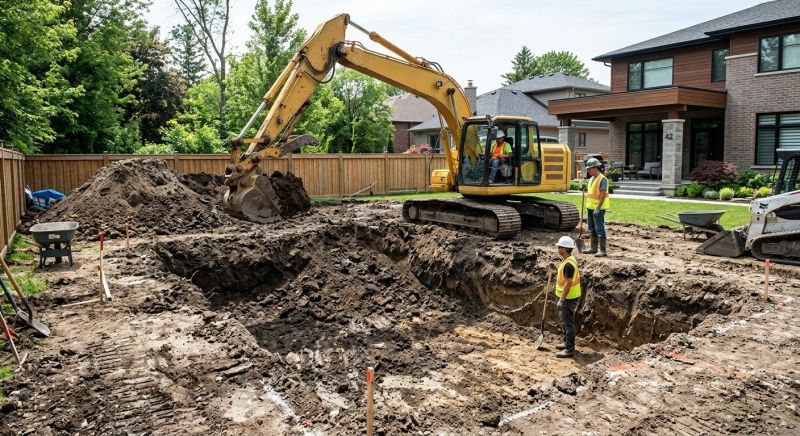
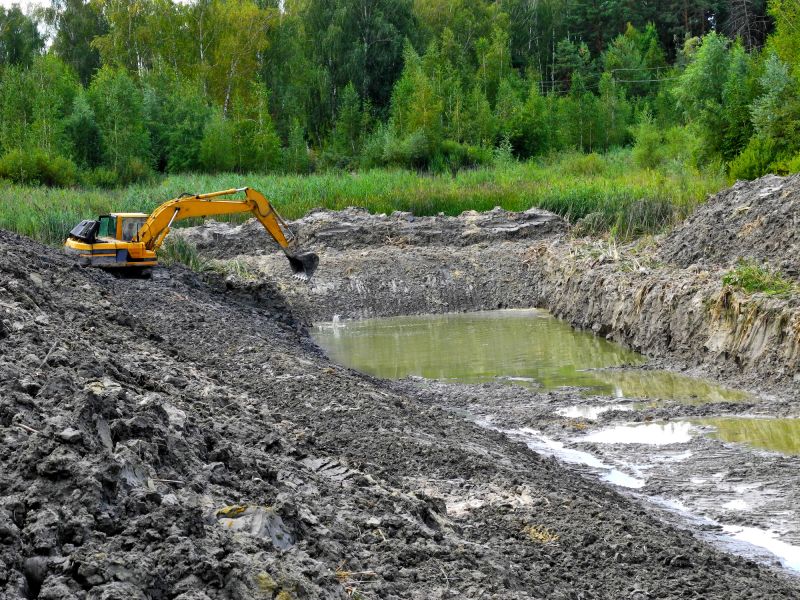
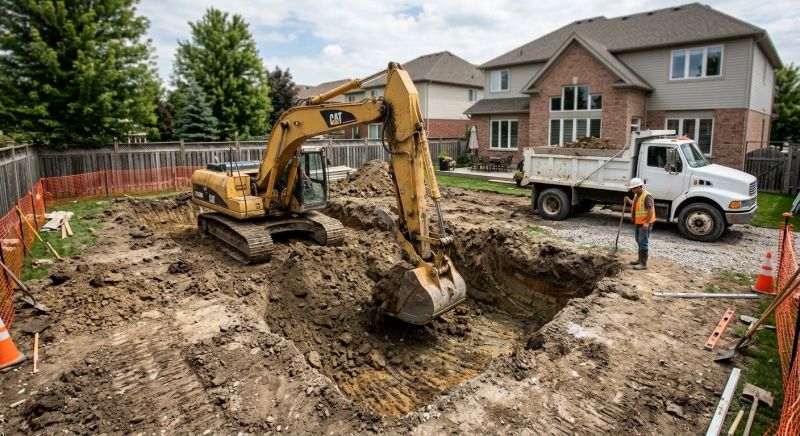
What is involved in pool excavation? Pool excavation includes removing soil and shaping the area to prepare for the pool structure installation.
How deep is a typical pool excavation? The depth varies based on the pool design, but it generally involves digging to accommodate the pool’s size and type.
What types of pools require excavation? Most in-ground pools, including concrete, vinyl, and fiberglass pools, require excavation as part of their installation process.
Why is proper excavation important? Proper excavation ensures the pool is level, stable, and properly supported, helping to prevent future issues.
Request Pool Excavation in Houston, TX
Use the quote form on this page to share the basics of your project and request more information for the type of work you need.